While The Sudanese Nation Is Engulfed in Flames, the NBA's Embrace of the UAE Shows The Way Sports Facilitates Human Rights Abuses.
During militia forces from the brutal Rapid Support Forces (RSF) seizing control of the largest city in western Sudan – perpetrating mass executions, sexual assaults and targeted violence with weapons reportedly provided by the UAE – the National Basketball Association's annual in-season tournament tipped off on Halloween night, proudly sponsored by the very same Gulf state.
An Expanding Partnership During Conflict
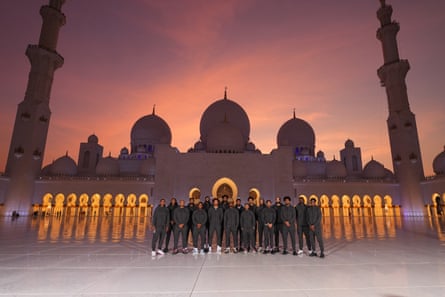
The tournament is the clearest example of the league's expanding relationship with the UAE – an alliance that encompasses yearly exhibition matches in Abu Dhabi, a lucrative sponsorship deal with a UAE-based carrier, and plans for a proposed NBA Global Academy at a university campus in Abu Dhabi.
Larger agreements could follow. Reports indicate the NBA is seeking Emirati investment in a proposed NBA-branded basketball competition, which could launch as soon as 2027.
This flourishing relationship has proven beneficial for both sides: the NBA has gained a deep-pocketed backer, while the UAE has found a cooperative ally to help further normalize its authoritarian government, particularly as it faces accusations of inflaming atrocities in Sudan.
The UAE's Questionable Human Rights Profile
Underneath its façade of wealth and modernity, the UAE enforces silence with an iron fist. Critics and human rights advocates languish in prisons on trumped-up accusations, punished for daring to oppose the state. The nation’s wealth rests on migrant laborers, who make up a large percentage of the workforce and who work with few rights and little recourse against abuse.
Its influence reaches more violent conflicts abroad. A mounting collection of evidence connects the UAE authorities to Sudan’s RSF, the armed group responsible for many of the atrocities and crimes against humanity being committed in Sudan.
The Horrors of Sudan's Conflict
The nation's internal conflict began in April 2023, when tensions between the national army and the RSF thrust the country into a state of all out war. Cities such as the city of Khartoum were became war zones, devastating critical infrastructure and causing the most severe displacement crisis.
With the conflict approaches its third year, death toll estimates vary widely. Humanitarian organizations have documented many thousands of fatalities. Other analyses suggest the toll may be far greater, with tens of thousands killed due to the violence.
The civil war has also been marked by horrific atrocities such as rape, torture, mutilation and targeted persecution. This was vividly demonstrated when a key stronghold in Darfur fell to the RSF. The militia embarked on a campaign of slaughter so extreme that evidence of the violence could be seen from space.
From the beginning of the war, the Emirates have helped fund and arm the RSF, thereby supporting the its war crimes. Sudan’s military government have even brought a case to the world court accusing the UAE of genocidal complicity. Despite significant proof to the contrary, the UAE persistently rejects any role in the conflict.
Image Laundering and International Silence
Recently, the UAE has staged major sporting events in cricket, basketball, mixed martial arts, and Formula 1. Next come golf and a padel tournaments. With rare exceptions, teams and leagues have made little effort to distance themselves from the disputed nation.
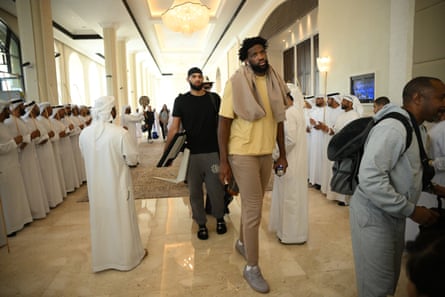
The UAE has reaped enormous benefits from the athletic community's apathy. Investments in football clubs, sports leagues, and other ventures have rebranded the leadership as savvy investors rather than ruthless autocrats.
And yet, the ongoing massacre in Darfur has garnered some unusual bad publicity for the UAE. Some football fans have even condemned their team's backer for the alleged involvement in the Sudan conflict.
A Call for Accountability
The lack of outcry around the NBA’s new partnership with the UAE is troubling. Among the handful to criticize the NBA for legitimizing the UAE’s role is a humanitarian organization that champions the rights of displaced people. Their message read: “The tournament could bring out the best in everyone. Yet, it’s being used to sportswash crimes fueled + funded by the UAE in Sudan. The NBA must not allow itself to be a tool in the UAE’s normalization of human suffering.”
Nevertheless, sports teams and organizations rarely sever profitable agreements without resistance. At a European soccer giant's annual meeting, an campaigner who previously led a successful campaign to end a sponsorship deal with another nation was heckled by members after raising concerns about a fresh deal with the UAE’s flag carrier.
The activist accused the club of “propping up the reputation of sketchy political regimes” and cautioned that the deal risked causing “lasting damage to the reputation of our club”. For his remarks, he was openly mocked by the club’s leadership.
This event highlights how effective the UAE's public relations strategies have been, making dissent seem unwelcome even within renowned sports institutions.
A Final Thought
It is unlikely the NBA, which has partnerships with additional controversial regimes, to publicly address the UAE’s conduct … but imagine if they did. What if mass atrocities, violations of international law and entrenched authoritarianism were red lines for international athletic organizations.